
A Thorn in the Flesh ! Congolese Women in Artisanal Mines
From May 2014 to June 2015, I assessed women’s activities at artisanal mining sites in seven provinces of the Democratic Republic of the Congo (DRC) for Promines. Promines was a World Bank-funded institution that aimed to improve mining governance, but it has since ceased operations. At the time, the DRC had 11 provinces. Through this consulting assignment, I discovered the complex world of artisanal mining, an activity born of precarious living conditions and a difficult economic climate.
Even though the 2002 mining law recognized artisanal mining as a professional activity for the first time, it remains largely unregulated in the DRC. Artisanal miners lack access to Artisanal Mining Zones (ZEA), even though the Mining Code—reformed in 2018—defines and requires them as the framework for artisanal mining.
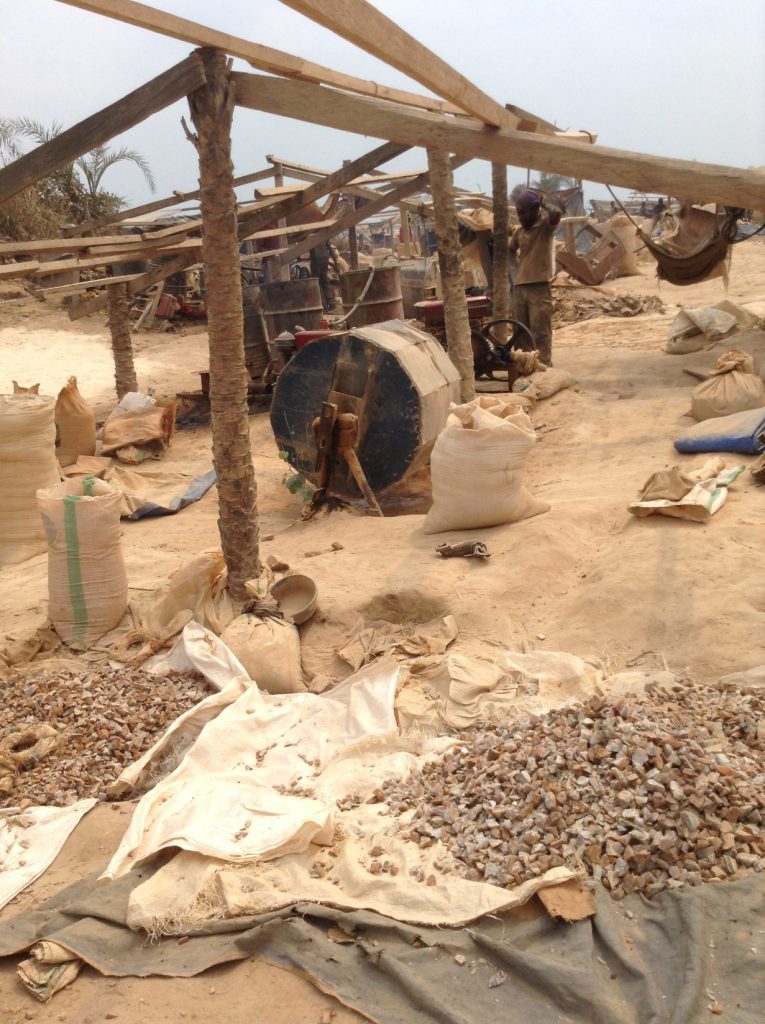
Twelve years later, not much has changed. Most “diggers,” as they are called, have no designated areas. They work on industrial sites permitted for social reasons but lacking legal authorization. Some estimates, however, put artisanal mining at 20 to 30 percent of the minerals the DRC exports. In some provinces, industrial operators purchase large tracts of land, leaving the miners with only the gaps to work in. Only the government can compel industrial operators to cede a few mining plots to miners. A mining plot covers approximately 80 hectares [specifically 84.955 ha (≈ 0.85 km²) on the cadastral map].
Article 30, paragraph E of the Mining Code addresses overlapping operations, or mining on an industrial mining concession. Under this article, artisanal mining may overlap with industrial mining if concession holders voluntarily agree in writing to cede one or both mining blocks. TFM alone holds 1,600 km², while KCC, Mutanda, and Kamoa each hold between 800 and 1,000 km². The government negotiates with industrial operators. Unfortunately, the government is often only present when scenes of revolt and violence occur, as is frequently the case in Lualaba. In other provinces, violence is less prevalent because fewer mining companies operate there. However, the government’s neglect—or even complete absence—in artisanal mining areas is glaringly obvious. The men, women, and children who work there are left to fend for themselves. Access to these areas is often difficult.
During my consulting assignment, getting to the sites was a Herculean task. To get there, I used every conceivable means of transportation available in rural DRC: motorcycles, canoes, old Land Rover Jeeps, and walking.
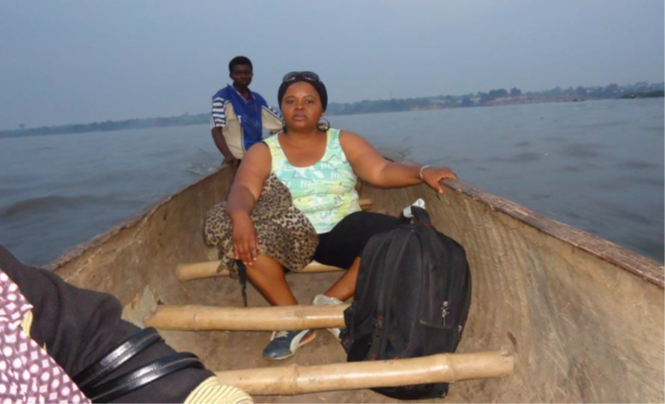
Me in a motorized canoe crossing the Congo River on my way to Kaïlo from Kindu
To reach certain sites, I spent several nights sleeping under the stars because I lacked lodging. Sometimes, I stayed in convents and monasteries. What did I discover? I saw a picture of human misery in precarious areas filled with tents and dilapidated structures made of sheet metal and tarps. These settlements sprang up overnight and shelter thousands of people. They have small restaurants, stalls, and makeshift dwellings. They are born from the discovery of gold veins and deposits of metals such as copper, cobalt, and lithium. It’s an unreal world, hard to describe, where immense, multifaceted poverty reigns. It’s a world where the instinct for survival gives way to pure humanity. It’s a world where women take considerable risks to feed their children since fathers are virtually nonexistent. These women work tirelessly regardless of their circumstances, even though they are underpaid or work for free. “It’s better than nothing,” they admit.
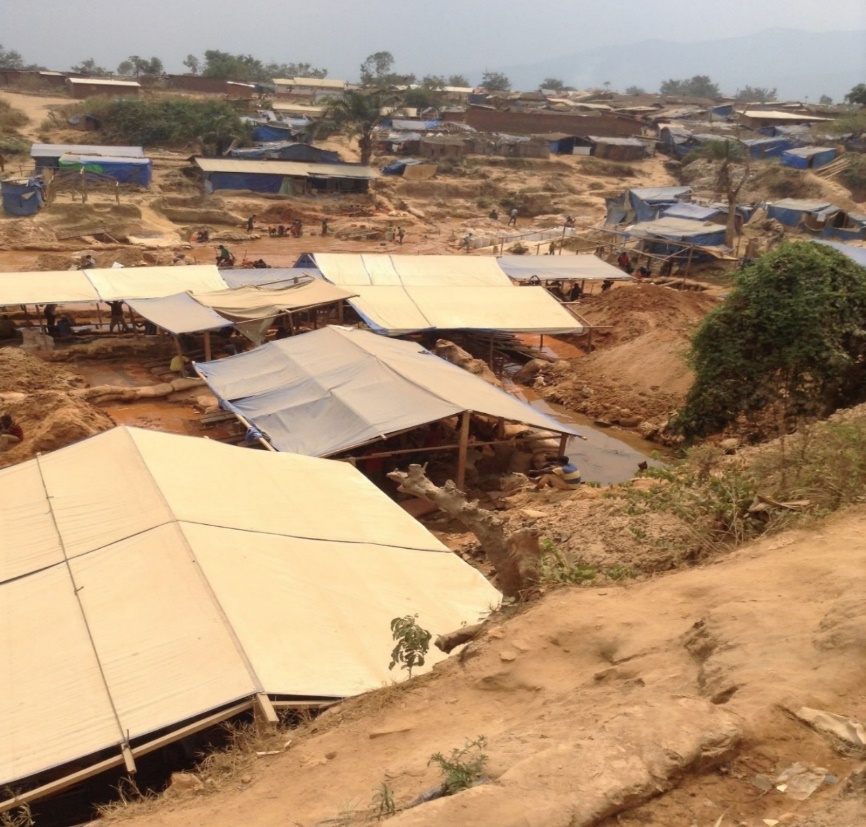
Artisanal Mining Sites?
It’s a jungle where the big fish’s law prevails. This article showcases women who work and live in the diverse, complex, and largely overlooked artisanal mining communities of the Democratic Republic of the Congo (DRC). Despite the current increased attention being paid to gender and artisanal mining, women still find themselves on the margins. Approximately 30% of people employed in artisanal mines in the DRC are women. Contrary to a widespread perception, women are not merely “around” the mines. They are an integral part of them. They perform various tasks that support men’s work on site.
Some of these activities are directly related to mining various ores, including managing ore-washing facilities, washing ore, digging pits at mining sites, screening, grinding, and crushing rocks and stones, transporting buckets of ore, and buying and selling ores. They also do other work, including catering, managing snack bars, selling fruit and condiments, selling water and charcoal, doing laundry for men, and even sex work—in addition to being homemakers and mothers. Very few women own or co-own a well, belong to cooperatives, or serve as community leaders. As a result, an entire economic ecosystem relies on them. In Ituri, Josephine Kibondo and Moza Zawadi, two female gold panners interviewed by the NGO IMPACT, tell the same story: hard work, but an income their families depend on.
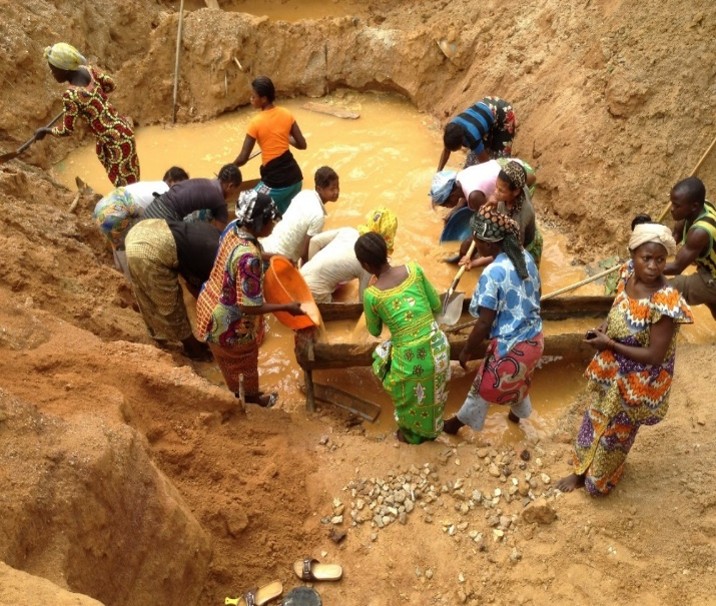
Washing cassiterite at the K7 site in Kailo, Maniema
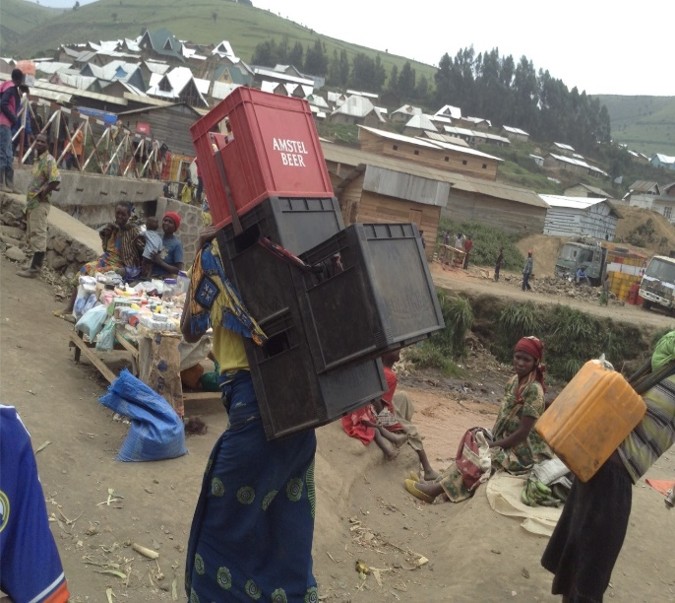
Women traders in Rubaya, Masisi, North Kivu
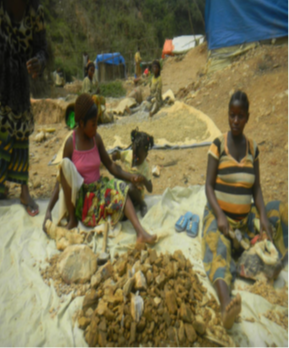
In Maniema, they engage in artisanal gold mining in Kampene, as well as in Misisi and Kamituga in South Kivu and Mangerujipa in North Kivu. In Kailo, also in Maniema, they extract cassiterite and tin. In Masisi, North Kivu, they mine columbite-tantalite (coltan). In Kasai, where diamond deposits are found, women are involved in diamond mining. In Katanga, they mine copper and cobalt in Kipushi and Kasulo. (Photo: Sorting rocks in Kasulo, Lualaba)
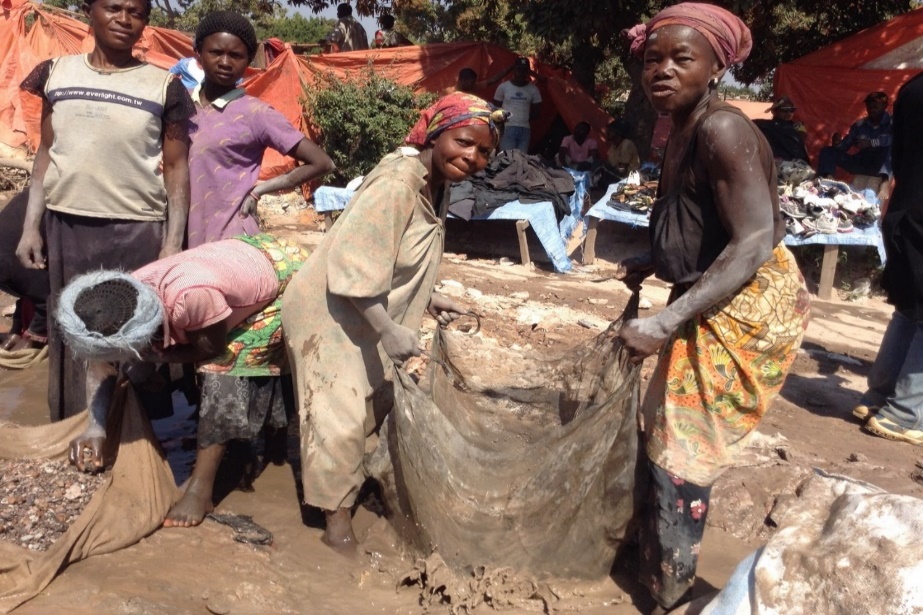
These rudimentary mining activities are extremely dangerous and precarious, though sometimes lucrative. Gender inequality in artisanal mining is further exacerbated by the fact that policies and reforms regarding artisanal mining do not take women’s needs into account. The Mining Code makes no specific mention of women except in Title 1, Chapter 1, Article 5, where it mentions women only twice, briefly, in a provision prohibiting pregnant women from working in mining. This provision is completely ignored, as illustrated by the photo of this pregnant woman in Misisi, South Kivu.
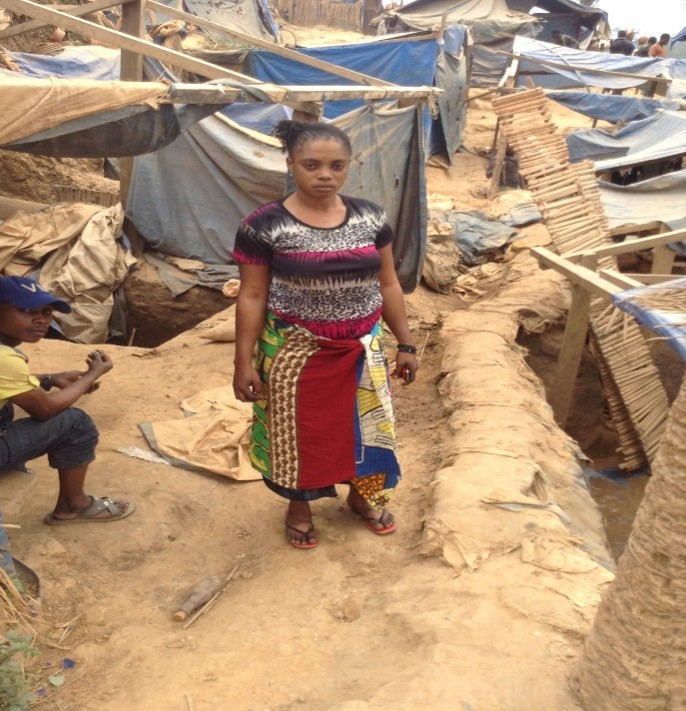
The political capacity and will are not yet evident, and the dynamics and power relations within the current system of artisanal mining and trade remain highly complex.
SAEMAPE is the state institution responsible for regulating artisanal and small-scale mining (ASM).
SAEMAPE (formerly known as SAESSCAM) was established following the publication of Decree No. 047-C/2003 of March 28, 2003, which created a public service known as the Assistance and Supervision Service for Artisanal and Small-Scale Mining and set out its bylaws.
SAEMAPE is a public service of a technical nature, endowed with administrative and financial autonomy. SAEMAPE’s mission, throughout the entire country, is to “promote the emergence of a Congolese middle class in the small-scale mining sector by providing training and technical and financial assistance to mining cooperatives and small-scale miners, with a view to strengthening their managerial capacities.”
Its objective can be summarized in these three points:
- To regulate the artisanal and semi-industrial mining sector by providing assistance and guidance to small-scale miners in order to promote the emergence of a middle class in the mining sector;
- Prepare for the post-mining era by implementing integrated development projects for local grassroots communities;
- Channel production from artisanal and small-scale mining operations into the official marketing system to combat fraud involving mineral resources and maximize government revenue[1].
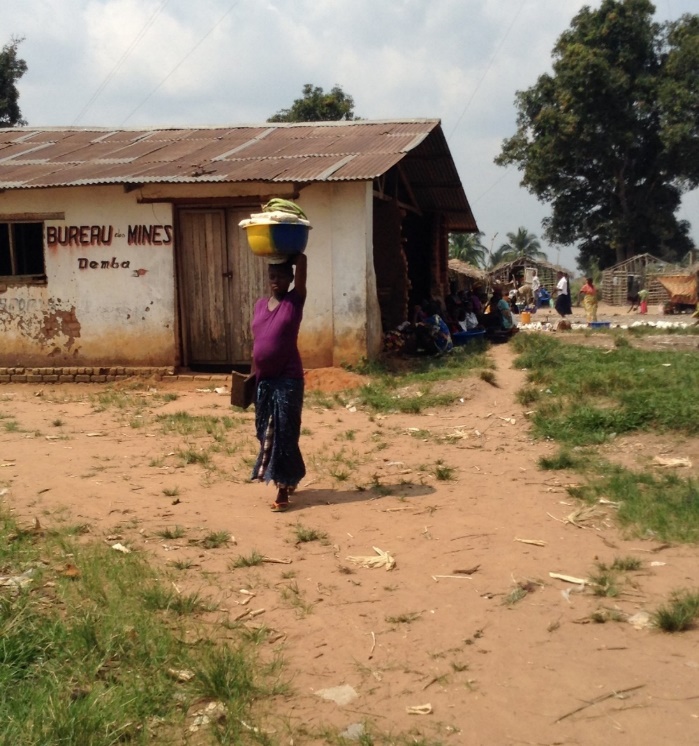
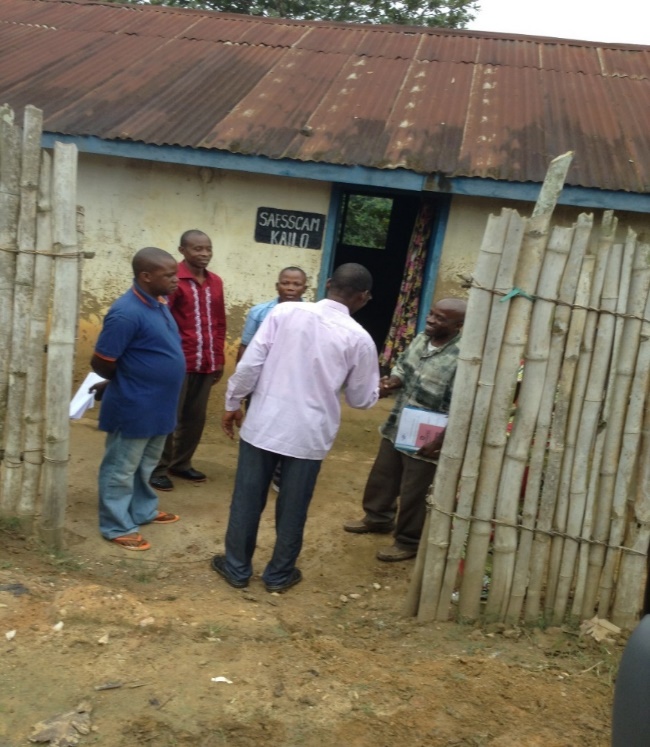
In most provinces, SAEMAPE offices—and even some mining divisions—lack adequate infrastructure.
| 
|
Mining Office, Demba, Kasaï Central | SAEMAPE Office, Kailo, Maniema |
Furthermore, experience on the ground shows that, to date, this structure has had no positive impact. The implementation of various policies in this area does not comply with regulations. I noted a lack of understanding of the very concept of violence. Indeed, in discussions with these women, I realized that harassment, for example, is not considered a form of violence. Instead, the focus is on cases of rape and physical violence.
On this subject, even though SAEMAPE workers are aware of these issues, their perception is still colored by traditional or village customs and beliefs that grant men power over women. As a result, acts of violence are rarely reported, which in turn increases women’s vulnerability. In other cases, women even prefer to remain silent about certain harmful behaviors directed at them, for fear of subsequently being assaulted by the perpetrators.
Dig, wash, survive!
The work is hard, and so are the living conditions. Everyone works in unsanitary conditions without any protection. Often, there are no restrooms, no health care, and no services at all. As for workplace hygiene, health, and safety, no standards are followed. There are countless deaths, and no government agency steps in. “When a government agency comes to see us, it’s simply to extort money from us,” a woman in Kasulo explained to me. According to the COMIAKOL cooperative, 1,045 women work at a site that employs more than 32,000 people. This figure alone speaks to women’s place in Congolese ASM: present everywhere, a minority on the payroll, invisible in official statistics.
A woman’s trade, but not the one people think
In the cobalt industry, the math is simple. ASM employs 150,000 to 200,000 people in the DRC and accounts for 10 to 15 percent of the country’s total production. In Kolwezi, this work pays better than any other local job, and workers are paid in cash every day. For households where approximately 58 percent of women are the primary breadwinners, this daily cash flow is invaluable. Many say that over several seasons, they have been able to open a hair salon or small food service business. But what is the cost?
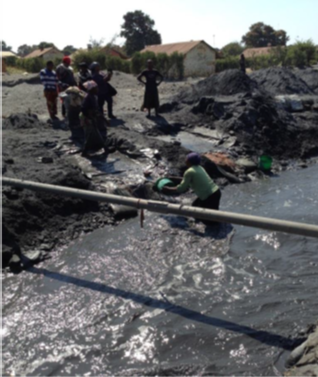
Mine workers in Katapula, Kipushi, Haut-Katanga
Beneath the ore, bodies suffer!
The physical toll is well-documented. A study by the IndustriALL union, published following a visit to the Mutoshi site in October 2025, describes deplorable health and safety conditions: unsustainable mining areas, inadequate sanitation facilities, and contaminated water used throughout the day. It concludes: “Women employed in these artisanal mines work in and around cobalt and copper extraction sites under difficult conditions, in unsustainable artisanal mining areas, and with inadequate sanitation facilities. As part of their work, they very often use dirty water, which makes them particularly vulnerable to diseases such as urogenital infections, skin diseases, vaginal yeast infections, warts, and irregular menstruation.”
In Katapula, Kipushi, behind the KIKO plant, women complain of the effects of airborne radioactivity from waste, especially cobalt, in their bodies. This exposure causes menstrual cycle disruptions, back pain, respiratory problems, and a high rate of birth defects due to the presence of ionizing minerals at the site.
Added to this are deep-rooted beliefs. In many communities, it is believed that the presence of a woman at the bottom of a mine shaft causes the ore to disappear or brings bad luck associated with the menstrual cycle. Consequently, women are excluded from the most productive mine shafts and relegated to less well-paid surface tasks.
Violence: A Daily Reality at the Sites
This is the darkest aspect. At one site we visited, the women opened up to us. The violence had become so extreme that they had to castrate a man who was raping elderly women, young women, and young girls. He died from his injuries, and a code of silence now reigns in this community, which has not experienced another rape since.
In a survey conducted by WILPF (Women’s International League for Peace and Freedom) in the DRC among women in Haut-Katanga, 73.75% of those interviewed reported that women experience sexual violence at the sites. Seventy-one percent do not feel safe where they work. The report also highlights early pregnancies among girls aged 13 to 15, sexually transmitted infections, rapes committed as part of traditional rituals intended to make “the body yield without resistance,” and blackmail.
In 2025, IndustriALL confirmed that discrimination, intimidation, and gender-based violence were still commonplace, fueled by harmful stereotypes and cultural practices. Some researchers argue that in the eastern part of the country, the narrative portraying women’s departure from mining sites as the only form of protection obscures the fact that mining areas offer some women a relative refuge from other forms of insecurity when economic alternatives are lacking.
The nature of the work itself adds to this. Reported daily earnings range from approximately 50 cents to 9 USD, and few women reach the top end of that range. Traders set prices; days without ore yield no pay, and each individual must cover healthcare costs.
The Gamechangers
Annie Sinanduku Mwange, president of the National Network of Women in Mining (Renafem), has spent years building a movement that is active in all 26 provinces of the country. Bertha Bangala, 36, sums up the approach: building latrines near mining sites and reminding men that the law grants women the right to access mining sites just as men do, and that sexual harassment is a crime.
Other organizations focus on economic leverage. The Canadian NGO IMPACT first promoted responsible community savings and credit programs in the DRC, and then in Burkina Faso. The idea is that when a woman gains access to credit and a savings account, she becomes less dependent on day-to-day activities, which reduces the pressure that drives her children into the mines. The Fair Cobalt Alliance documents a similar approach in Kolwezi, where village savings and credit associations finance income-generating activities and children’s education.
The legal framework exists—on paper. The Mining Code and laws on sexual violence have been strengthened. However, the gap between the law and reality remains wide. Women have limited official recognition, restricted access to miners’ cards, and rarely hold land and mining rights. At the provincial Ministry of Mines, officials acknowledge this marginalization.
Women’s Demands at the Sites
The women working in Congolese artisanal mines are not asking to be removed from them. Instead, they are asking for latrines, clean water, fair prices, recognized status, and the right to enter the shaft without harassment. This is an economic issue, not a humanitarian one. A site where half the workforce labors without health protections, legal status, or recourse is not only unjust, but also unstable.
The mining administration lacks qualified and conscientious staff. Hawkish agencies and certain power-hungry authorities also stifle it. These issues prevent rigorous oversight of production and transactions. As they currently exist in the DRC, artisanal mining activities are a real thorn in the side of miners and women working at these sites. In 2 Corinthians 12:7, when the Apostle Paul kept asking God to “remove the thorn in his flesh,” the Lord kept replying, “My grace is sufficient for you….” Paul, at least, received an answer from God. Who will hear the cries of these women suffering in the mining sites?
To improve the living conditions of the women and men working in artisanal mining, the DRC must formalize this sector, following the example of Tanzania—the only African country that has succeeded in doing so by integrating artisanal and small-scale mining (ASM) into the national economy through regulations, permits, access to financing, and technical support for Tanzanians’ participation in this income-generating activity.
Gallery
| 
|
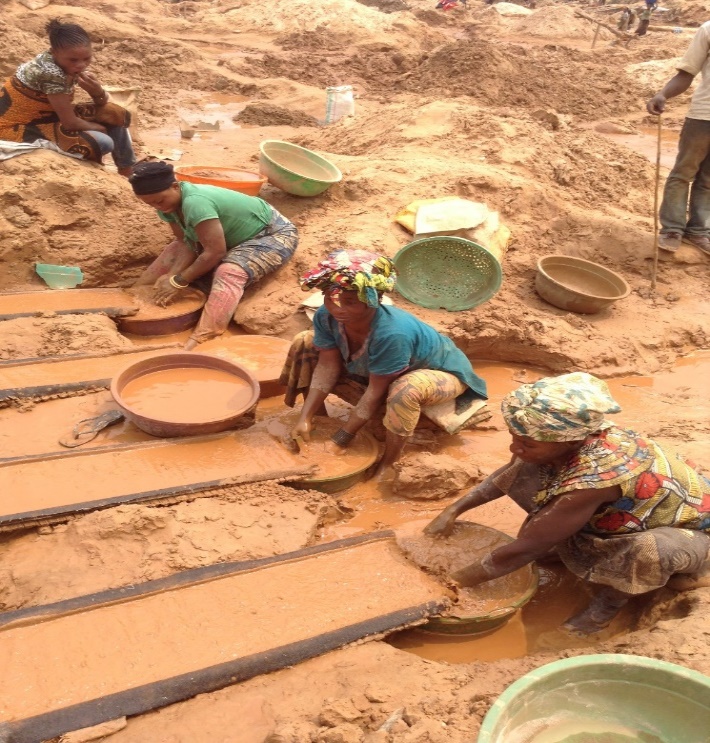
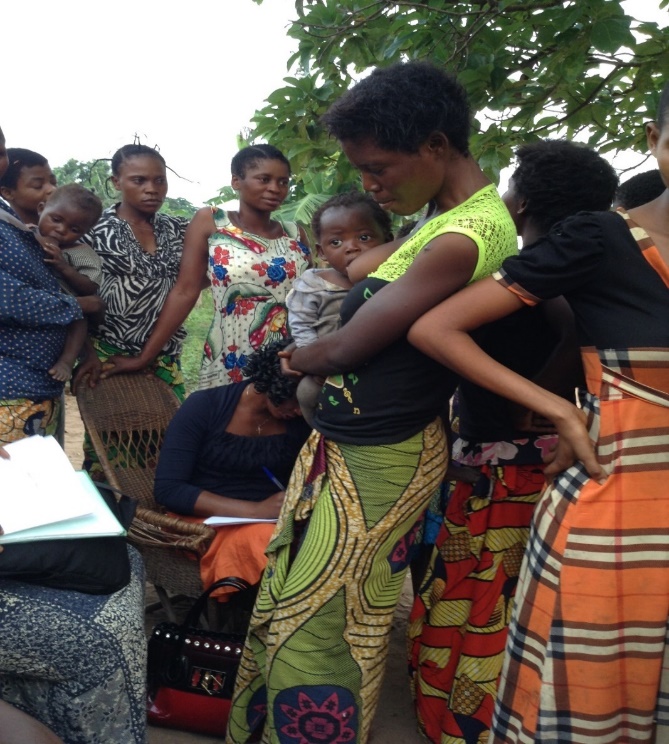
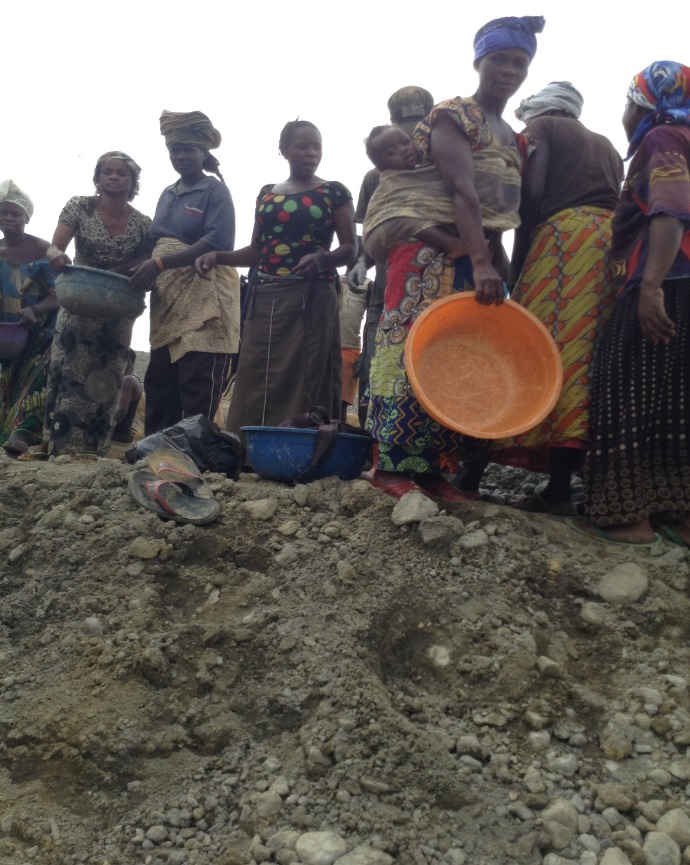
Women gold miners in Misisi, South Kivu | Meeting with women in Bakwampika, Central Kasai |
 |  |
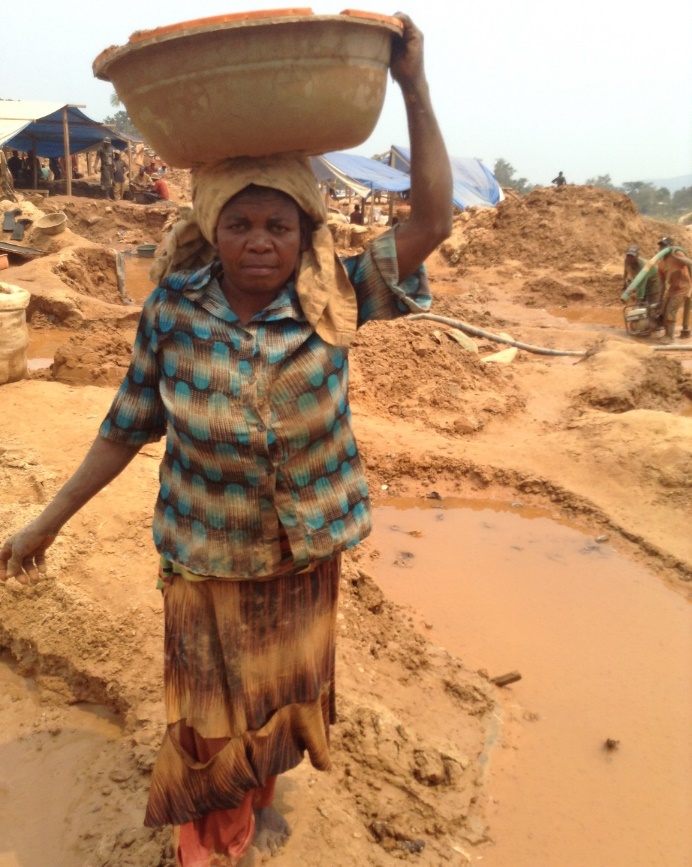
Diamond panning in Tshilanga, Kasai | Stone crushing at the Calvaire site, Kamituga, South Kivu |
| 
|
Women miners in Kampene, Maniema | Transporting stones in Mangerujipa, North Kivu |
References
- https://www.industriall-union.org/fr
- https://comiakol.com/
- DRC; 2002 Mining Code and 2018 Mining Code
- https://www.wilpf.org/advocacy_document_country/drc/
- https://impacttransform.org/
- Source: www.saemape.cd/historique ↑