
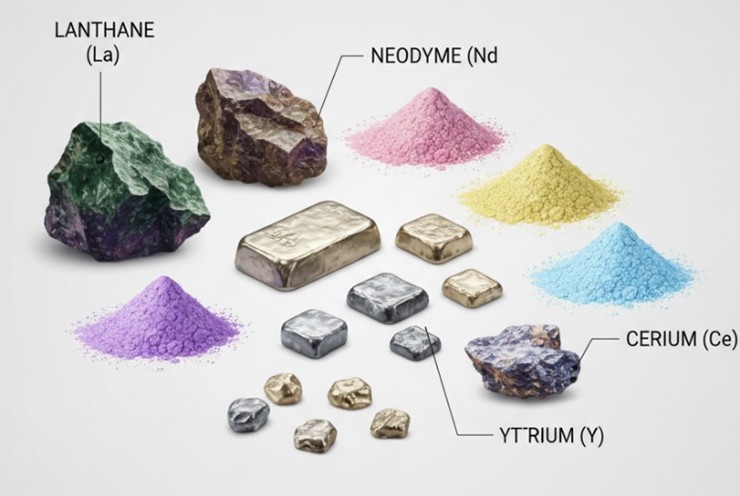
Are Rare Earth Really Rare? – February 26
MRK Mining | February 2026 Issue No. 3 | |
Are Rare Earth Really Rare? | ||
In this issue We try to answer the question of everyone every day: are rare earths really that rare? | 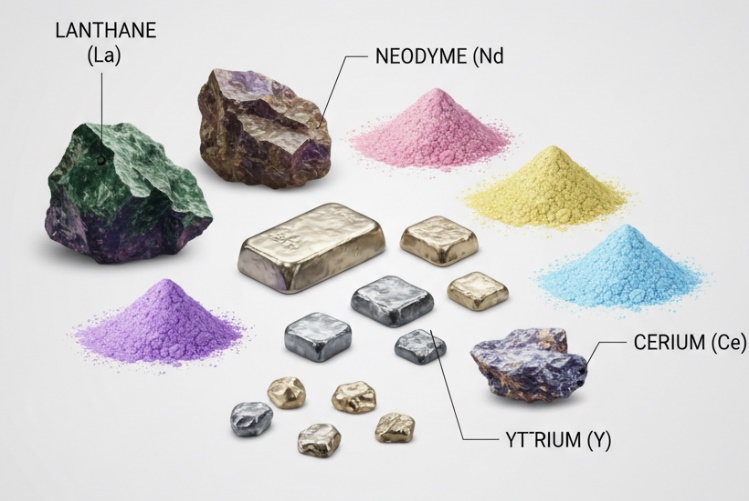
| |
MRK Mining A monthly mining news bulletin produced by Margaret Rashidi Kabamba | Lanthanides @ Wikipedia Let’s Dispel All Doubts | |
Translator & Writer | No, they are not that rare. The name is misleading, a true false friend, because rare earths are as abundant as copper, nickel, zinc or lead and more abundant than gold, silver, platinum or palladium in the Earth’s crust and represent 0.08% of the earth’s crust. They are simply described as “rare” because they are found only in very small proportions in relatively uncommon minerals. And also, it is very difficult to find them in their pure state. Their French name probably comes from a rough translation of the English, rare-earth elements (REE), translated as “rare elements on earth” (ETR, French acronym). In English, we also find the acronym REY, which stands for rare-earth elements and yttrium. Moreover, they are not earth elements, they are metals.
Their Discovery In the 18thᵉ century, the term “earths” was used by a Swedish amateur mineralogist and artillery lieutenant, Karl Arrhenius (namesake of the famous mid-19th century chemist), who discovered a new mineral in Ytterby, a small village near Stockholm (Sweden). From the name of this village would derive the names of many of the other elements discovered, which Swedish chemists came to refer to as metal oxides. The term “rare earths” includes 17 chemically similar metals and metal compounds, including 15 elements on the periodic table called lanthanides, as well as the transition metals scandium and yttrium. The latter two elements have properties similar to those of lanthanides and are generally found in the same ore deposits. | |
www.lcdrc.com | ||
Tel. : +1 647 767 8621 +243 83 292 5377 | ||
MRK Mining For miners and mining and electric batteries enthusiasts | ||
 | ||
Their Extraction
The scarcity of rare earths stems mainly from the complexity of their extraction and separation. This extraction is very risky, technically complex and very expensive. It involves the use of particularly polluting chemical processes, including sulphuric and nitric acid, and requires enormous amounts of water and energy, as they are most often carried out at high temperatures. All these processes lead to the release of many toxic elements. For example, about 50 tons of rock must be crushed to obtain a single kilogram of gallium, and up to 1,200 tons for a kilogram of lutetium. In addition, all rare earths contain radioactive elements. This is why many countries are reluctant to produce them.
Heavy and Light Rare Earth
The most abundant rare earth is cerium (about 48 parts per million or ppm), which has an average concentration higher than that of copper. This is followed by neodymium (about 24 ppm) and lanthanum (about 18 ppm), which are more abundant than cobalt and nickel. Other rare earths are much less present, particularly thulium and europium (about 0.5 ppm). Some of the minerals are rich in ceric earths (monazite, bastnaesite, cerite), others preferentially contain yttric earths (samarskite, xenotime) and some mix heavy rare earths [Europium (Eu 63), Gadolinium (Gd 64), Terbium (Tb 65), Dysprosium (Dy 66), Holmium (Ho 67), Erbium (Er 68), Thulium (Tm 69), Ytterbium (Yb 70)], and light rare earths [(Lanthanum (A 57), Cerium (Ce 58), Praseodymium (Pr 59), Neodymium (Nd 60), Promethium (Pm 61), Samarium (Sm 62)].
Their Use
Even though the names of rare earths are not really familiar, we still know all the products they make as illustrated in the table below:
Name of the element with symbol and no. atomic | Average concentration in the Earth’s crust (ppm) | Known Uses |
|---|---|---|
Lanthane (La) – 57 | 39 | Catalytic converters, batteries |
Cerium (Ce) – 58 | 66 | Polishing for glasses, catalytic converters |
Praseodymium (Pr) – 59 | 9,2 | Magnets, alloys |
Neodymium (Nd) – 60 | 41 | Strong magnets |
Promethium (Pm) – 61 | Extremely rare | Nuclear Generators |
Samarium (Sm) – 62 | 7,05 | Magnets, nuclear reactors |
Europium (Eu) – 63 | 2 | Phosphors, screens |
Gadolinium (Gb) – 64 | 6,2 | Magnetic Resonance Imaging (MRI) |
Terbium (Te) – 65 | 1,2 | Phosphors, electronic devices |
Dysprosium (Gd) – 66 | 5,2 | Magnets, nuclear reactors |
Holmium (Ho) – 67 | 1,3 | Applications in IRM |
Erbium (Er) – 68 | 3,5 | Optical fibers |
Thulium (Tm) – 69 | 0,52 | Laser, medical equipment |
Ytterbium (Yb) – 70 | 3 | Optics, metallurgy |
Lutetium (Lu) – 71 | 0,8 | Catalysts, nuclear applications |
Scandium (Sc) – 21 | 22 | Light alloys |
Yttrium (Y) – 39 | 33 | Ceramics, lasers |
While most of them were discovered in the eighteenth century, their industrial exploitation really began in the 70s
with the manufacture of cathode ray tubes for television sets. Between 1965 and 1985, the United States was the first
 producer. They exploited the gigantic Mountain Pass deposit in California, the world’s main source of rare earths until the 1980s. However, to comply with environmental standards, the United States considerably reduced its rare earth mining operations, which were deemed too polluting. The refining of rare earths is also very harmful due to the presence of radioactive elements.
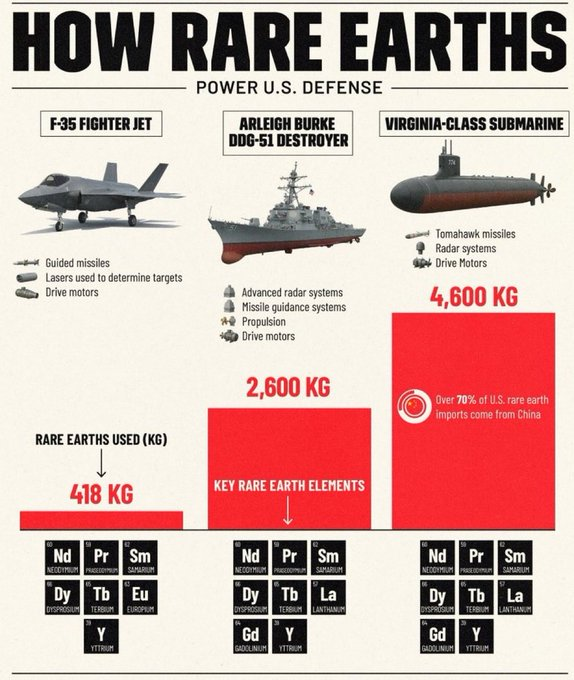
Despite this, their role is essential in modern industries, especially for the manufacture of batteries and computers, making them highly sought-after resources. “Rare earths” are also essential to medical technology, such as laser surgery and MRI scans, as well as key defense technologies.
A report by CSIS, a U.S. research center, says defense technologies such as F-35 jets, Tomahawk missiles, and Predator drones depend on these minerals.
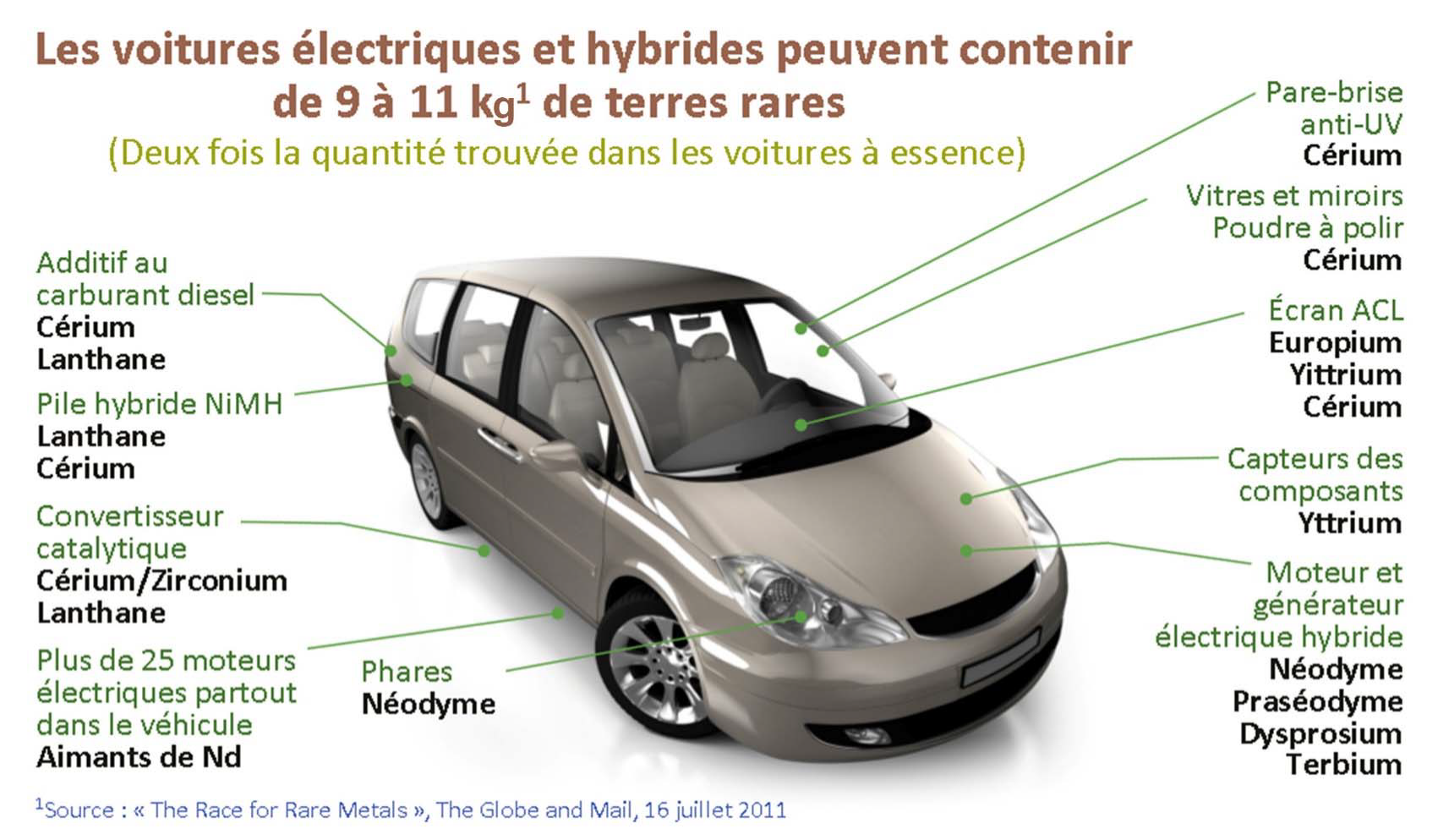
Here is its use in the automotive industry:
Rare Earth in the Democratic Republic of the Congo
The two Kivus and Maniema contain the largest reserves of the ferromagnetic mineral monazite, one of the main sources of rare earths and thorium, in phosphate form. It contains cerium, lanthanum and thorium. Thorium is the most abundant component in monazite. Rare earths in the DRC are concentrated in grains in stanniferous and auriferous alluvium. “Monazite has been mined in the DRC since 1969. Exported concentrates contained around 64% rare earth oxides. Mixed with cassiterite, it was recovered by magnetic separators in the purification plants of ex-Sominki. It was exported until 1990. » (Mupepele, p.136)
According to the Congolese Mining Planning Technical Unit (CTCPM), the Umoja Wetu company exported 75,000 kg of monazite in 2025 for a value of USD 268,750 to Hong Kong.
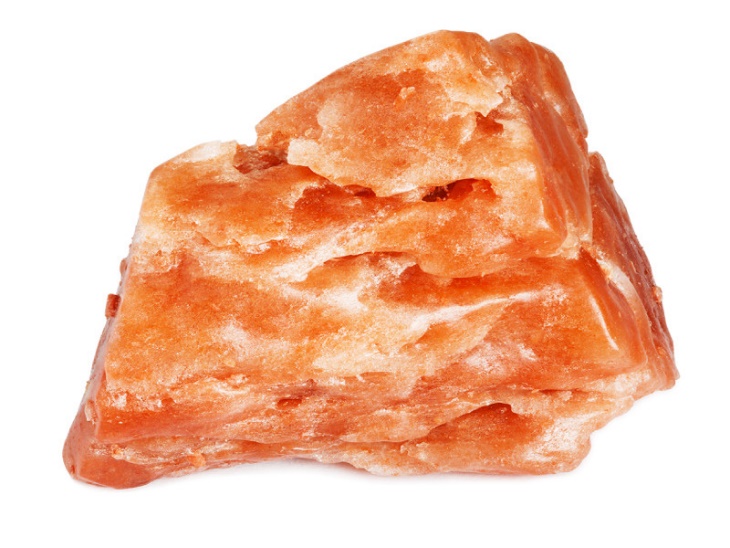
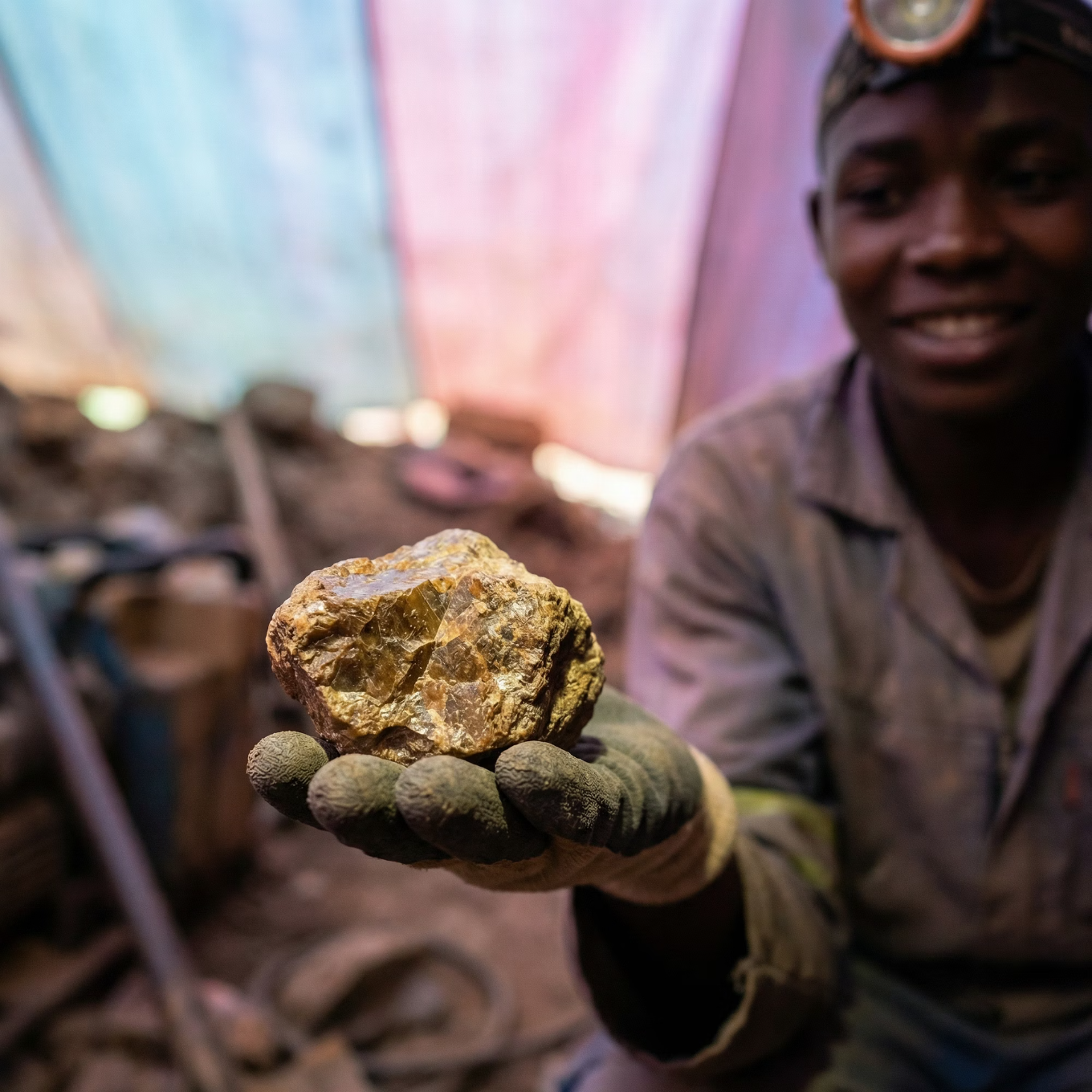
Figure 2: Monazite @ Gemrock Figure 3: Monazite en RDC
Apart from two Kivus, monazite is found in Kasai Oriental and in Katanga in the Shinkolobwe deposits in Haut-Katanga, about 20 km from Likasi.
Geopolitics of Rare Earth
If there is a scarcity of rare earths, it’s the scarcity of the producing countries: 97% of rare earth production today takes place in the People’s Republic of China. With the relocation of production, the United States has gradually and unwittingly ceded control of around two-thirds of the world’s rare earths to China. China is now in an oligopolistic position. It holds a virtual monopoly on separation and refining, the bulk of which takes place in Inner Mongolia, such as the Bayan Obo deposit in the Baiyun mining district. According to data from the U.S. Geological Survey (USGS), global production of rare earth ores reached 301,000 metric tons in 2024, with China accounting for 270,000 metric tons, or 69% of the world total, as shown in the table below.
Global REE Production by Country in 2024 According to USGS | |||
Rank | Country | Tons | Total Percentage |
1 | China | 270,000 | 69% |
2 | United States | 45,000 | 12% |
3 | Burma (Myanmar) | 31,000 | 8% |
4 | Australia | 13,000 | 3% |
5 | Thailand | 13,000 | 3% |
– | Other countries | 18,000 | 5% |
– | Total | 301, 000 | 100% |
What’s more, China holds the majority of heavy rare earths, which are a subset of transition metals characterized by higher atomic mass, lower abundance and high technological value. But China’s dominance of the rare earths supply chain didn’t happen overnight. It is the result of decades of investment and strategic government policies.
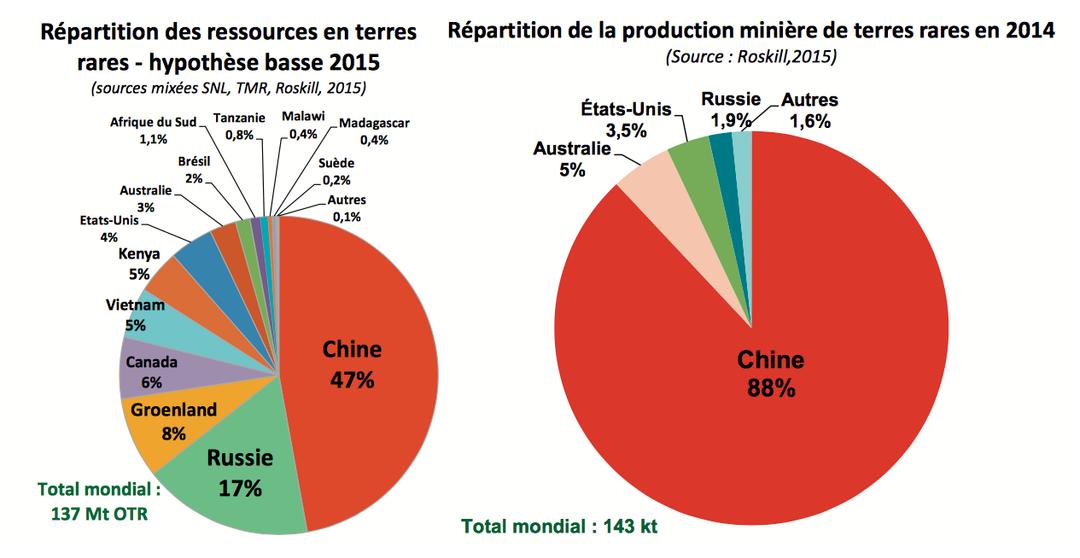
China’s near monopoly has led several countries to resume exploration. These rare earths, which nobody talked about or wanted too much, are now the talk of the town and the cause of sleepless nights for some of the world’s leaders. People are waking up to the fact that rare earths are indispensable for electronics in smartphones and electric cars, the number of which is exploding. Not to mention rockets and missiles.
This morning, for example, Reuters reports that the shortage of rare earths is worsening for US aerospace and semiconductor companies, particularly “rare earths such as yttrium and scandium”, which are “almost entirely produced in China”. At will, it imposes restrictions on exports according to its political and economic needs (as it did in 2014), giving it the ability to control the entire trade chain. Reversing the situation won’t happen overnight.
Hence the need for countries to either step up exploration or diversify their supply chains to increase their domestic processing capacities. However, the extraction, processing and separation of rare earths are very costly processes in terms of energy, water and chemicals. So, whatever initiatives and actions are taken in this direction, they would require colossal and prolonged investments, technological advances and overall costs that could be higher than the previous dependence on China.
Recycling
Today, there is a rush to diversify supplies of rare earths. Not only are countries doubling down on exploration efforts, but they are also implementing recycling and reprocessing projects. Several research projects consist, for example, of recovering rare metals contained in batteries, magnets, capacitors, screens, etc. At present, there has been little success in this initiative for various reasons: it is technologically difficult, the volume of material to be recycled is still low, some rare earths are considered irreplaceable, substitute products may have lower performance, and therefore, as Bihoux explains, “… Globally, the recycling rate for at least half of these metals are less than 1%. » (Bihouix, 2023, p. 566).
Rare Earth Pricing
The price of a rare earth depends on its application and scarcity. Demand continues to grow, but the market must bend to the demands and whims of producers and exporters such as China, Myanmar and Burma. The most expensive earths are europium, terbium, dysprosium and lutetium, which are more expensive than silver, for example. Europium, which is much sought-after for the luminophores in all our screens, can be worth 11,805 USD/kg. Conversely, lanthanum, which is fairly abundant and has no very interesting industrial properties, will be worth less than 120 USD/kg. Which makes this a very volatile market
Conclusion
Rare earths are not rare at all. They are found in the earth’s crust, in seas and oceans, and there is talk of their occurrence on the moon and other planets. While their reserves are difficult to assess, only their extraction and separation make them rare. And yet, whether for metallurgy, chemical catalysts, semiconductors or even computers and audio systems, rare earths have multiple uses in many fields. The stakes are colossal, as these elements are crucial for green technologies (batteries, wind turbines, solar panels), electronics (smartphones, computers) and, of course, defense (radars, missiles, fighter planes). Thanks to new technologies and exploration efforts, the world will be talking more about them.
References
Bihouix Philippe, « High tech ou Low tech ? », in Philippe Boursier et Clémence Guimont (dir.), Écologies. Le vivant et le social. Paris, La Découverte, « Hors collection Sciences Humaines », 2023, 624 p.
Sylvain Kahn et Laure Birckel, « Les terres rares en cartes et dans la presse : un marché stratégique », février 2012 (mis à jour en janvier 2016), complément à une émission de « Planète Terre », avec Christian Hocquard du BRGM (Bureau des recherches géologiques et minières
Cellule Technique de Coordination et de Planification Minière, Statistiques minières provisoires & partielles, Exercice 2025, Kinshasa-Gombe, RDC
Léonide Mupepele, Monti, L’industrie minérale congolaise – Chiffres et défis, Tome 1, L’Harmattan RDC, Paris, 2013
https://ressources-naturelles.canada.ca/mineraux-exploitation-miniere/donnees-statistiques-analyses-exploitation-miniere/faits-mineraux-metaux/faits-elements-terres-rares
pubs.usgs.gov/fs/2014/3078/pdf/fs2014-3078.pdf
www.rncan.gc.ca/mineraux-metaux/accueil
https://mrnf.gouv.qc.ca/wp-content/uploads/fascinantes_terres_rares.pdf
Comments on the January 2026 Issue – The Demon in the Congolese Cobalt
“Thank you and well done Margaret. However, I have noted some facts, which are not correct, especially about the shareholding of KFM (the Congolese state has 5%), cobalt production (your table would rather refer to cobalt hydroxide and not to the metal) and the price (at the time of the suspension of exports, the LME price was at USD 21,000 and at the time of the lifting of this measure it was at more than USD 50,000 – so an increase of more than 100%.” – Benjamin Katabuka, DRC
“Very informative. My encouragements to keep going.” – Akili Ngandu, South Africa
“Thank you Maggie for this in-depth, deep and enriching article.” – Sumaili Charlie Kabika, Canada
“The language used is really strong: Kobald – Evil Spirit, mortal sins, exorcism. 80% of the reserves are in the DRC. Revenues in billions. The DRC must invest and diversify wisely as long as this product remains strategic. Indeed, we are talking about the elimination or reduction of cobalt in electric vehicle batteries. Thanks for sharing!” – Oscar Mbaya, Canada
“I learned a lot from this monthly, among other things, the history of the cobalt, the dollar figures of mining revenues in the DRC and a gradual move away from the use of cobalt in EVs. Thanks for this news piece with many useful insights. Keep up the great job you are doing. Appreciate a lot!” – Marcel Nkonko, DRC